

How to Report a Scam in the United Kingdom
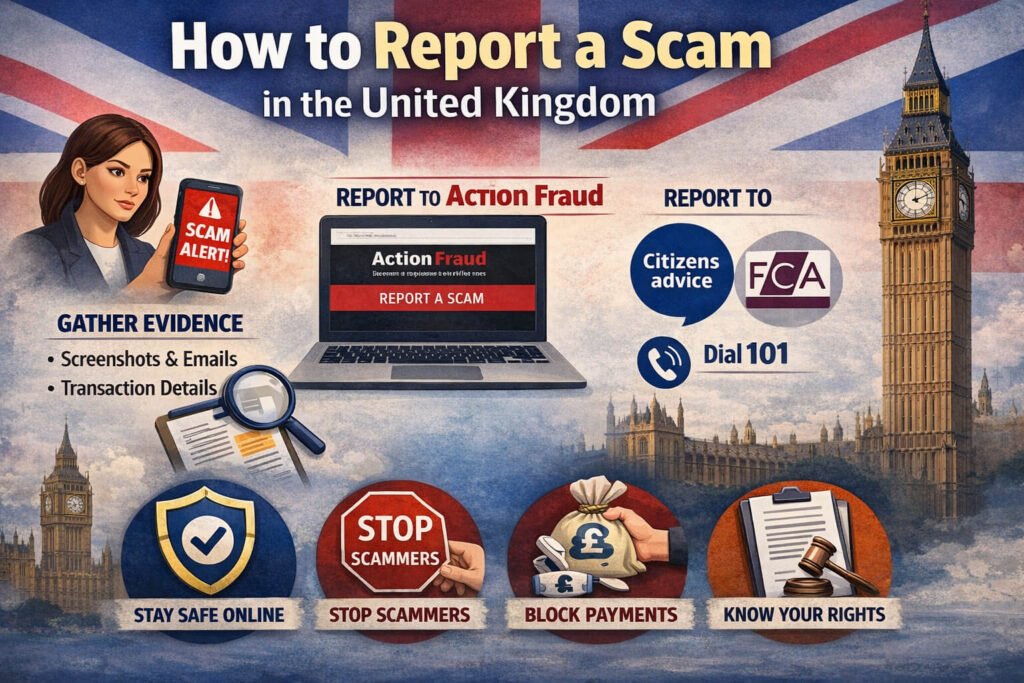
When it comes to reporting scams in the UK, there are several public agencies and private organisations you can turn to—which can make the process feel a bit overwhelming. The good news is that lodging a report is generally quite straightforward once you know where to start. In this guide, we outline our recommended reporting process and highlight a few important points to consider along the way. The ideal order of action may change depending on the type of scam involved, as timing can significantly impact the effectiveness of any follow-up investigations. Unfortunately, some of the agencies listed below are not always known for taking swift action, so acting quickly on your end is essential.
What Is a Scam?
A scam is any scheme designed to deceive someone into giving away money or valuable assets based on false promises of goods, services, or opportunities. In the United Kingdom—and in most Western nations—the correct legal term for a scam is fraud, which is an offence similar in nature to theft. In the UK, fraud cases are generally handled by regional police forces or, in more serious or organised cases, escalated to national bodies such as the National Crime Agency (NCA). There is no equivalent to the AFP’s division of Commonwealth offences; instead, UK law enforcement works under a cooperative structure involving local police, Action Fraud, the NCA, and other specialist units depending on the nature of the crime.
Scams can take many different forms. Below is a brief overview of some of the most common types:
There are various categories, including:
Phishing Scams
Phishing is one of the most widespread forms of fraud and typically arrives through email, text message, or messaging apps. These scams aim to lure the victim into clicking a malicious link, which then prompts them to enter sensitive information—such as account passwords, banking details, or other personal data. Once provided, this information is used by the scammer to gain unauthorised access to the victim’s accounts.
Investment Scams
Investment scams cover a wide range of fraudulent schemes, including those involving cryptocurrency, foreign exchange (forex), contracts for difference (CFDs), precious metals, and other financial products. In many cases, scammers operate convincing-looking trading or brokerage websites designed to make their operation appear legitimate. In reality, the entire platform is fabricated—no real trading occurs, and any “profits” shown to the victim are completely fictional.
A large number of these scams rely on a Ponzi-style structure, where supposed returns paid to early victims come directly from the deposits made by newer ones. These payouts are not genuine profits—they are simply bait to persuade victims to invest more and to maintain the illusion of success. The scheme inevitably collapses when new deposits slow down, leaving most participants with significant losses while the scammers disappear with the funds.
Romance Scams
Romance scams almost always take place online, as the digital environment makes it easy for scammers to hide their true identity. The scammer gradually builds trust with the victim, often creating an elaborate backstory filled with fabricated details. Once they feel they have gained enough emotional leverage, they introduce an urgent situation—medical bills, travel expenses, legal trouble—anything that allows them to request money. These scams can continue for months or even years, with the goal of extracting as much money as possible by manipulating the victim’s emotions and sense of attachment.
Cryptocurrency Scams
Cryptocurrency scams fall under the broader category of investment fraud. For more information, see the investment scams section above.
Online Shopping Scams
These scams typically involve fraudulent websites or fake sellers operating on platforms such as Google, Facebook Marketplace, Gumtree, and similar online markets. The scammer advertises items—often high-demand products—at attractive prices. Once the victim sends payment, the fraudster vanishes, and the goods never arrive.
Why Reporting Scams Matters
Even though it’s widely understood that local police forces often have limited capacity to investigate scam cases, reporting them is still essential. Doing so serves several important purposes:
- Protect Others: Reporting scams in the United Kingdom helps UK authorities gather valuable intelligence about the fraudulent activities targeting residents. This information is crucial for identifying patterns, shutting down operations, and preventing others from becoming victims.
- Increase the Chance of Recovery: Although there is never a guarantee of getting your money back, filing a report can improve the likelihood of recovery—especially when public agencies collaborate with private cyber-investigation firms and financial institutions.
- Raise Public Awareness: Sharing information about scams helps educate the wider community. The more exposure these schemes receive, the harder it becomes for scammers to continue using the same tactics. It also supports banks and payment providers in developing stronger safeguards for detecting and blocking suspicious transactions.
How to Report a Scam in the United Kingdom
1. Contact Your Bank or Financial Institution Immediately
If the scam involves a bank transfer, your first step is to get in touch with your bank as quickly as possible. Prompt action can sometimes allow the bank to halt the transaction or recover funds before the scammer moves the money onward. If you made a payment using cryptocurrency, reach out to Digitrace for a blockchain tracing assessment. We can help identify the exchange or wallet where your funds were sent. Acting fast is critical—if the transaction is traced quickly enough, Digitrace and/or UK law enforcement may be able to request a freeze on the assets before the scammer has a chance to withdraw them.
2. Notify the National Cyber Security Centre (NCSC)
The NCSC, part of GCHQ, is the UK’s primary authority for cyber security. They provide guidance, receive reports of cyber incidents, and help coordinate national responses to online threats. In addition, Action Fraud—the UK’s national fraud and cybercrime reporting service—operates as the central point for reporting scams. After a report is submitted, it is assessed and, where appropriate, passed on to your local police force or the National Crime Agency (NCA) for further action.
3. Report to Action Fraud (via the City of London Police)
Action Fraud is run by the City of London Police, who lead the UK’s national response to fraud and cybercrime. Their online reporting platform allows you to log scam incidents, access prevention advice, and receive updates. They also manage Scamwatch-style public alerts to help educate the public and reduce the risk of UK residents falling victim to active scams.
4. Contact the Police
If you haven’t already submitted a report through Action Fraud, you should contact your local police force directly to file an official report. While police responses to scam cases can vary, having a formal report on record is still valuable. It can support Digitrace’s efforts to request asset freezes from cryptocurrency exchanges and assist with investigations based on information obtained from receiving platforms.
5. Notify HM Revenue & Customs (HMRC)
If the money you lost to scammers came from pension funds or tax-related accounts, you should inform HMRC as soon as possible. HMRC has dedicated support channels for reporting fraud involving pensions, tax refunds, and other government-managed financial assets. Early reporting may help prevent further misuse and ensure the incident is properly recorded.
6. Contact iDcare
iDcare is an independent, government-supported organisation that provides free guidance to individuals dealing with identity theft or compromised personal information. They offer practical advice on how to secure your accounts, protect your identity, and limit further damage.
7. Contact Digitrace
Digitrace is an independent UK-serving company specialising in scam investigations, including advanced cryptocurrency tracing. Operating since 2015, Digitrace has extensive experience assisting victims whose cases are often overlooked or delayed by UK authorities. Because public agencies can be slow to respond—or may not investigate at all—engaging a specialist private investigation firm ensures your case is examined quickly and thoroughly. Private investigators are not bound by the heavy bureaucratic constraints that government agencies must follow, enabling them to gather evidence and track digital footprints that may otherwise go unnoticed or uncollected.
What Happens After You Report a Scam?
Once your report is submitted, authorities may investigate—particularly if your case appears linked to a wider pattern of complaints or multiple victims. However, the process is often lengthy and can be disheartening. In many cases, local police do not identify the offender or take meaningful action, which understandably causes frustration and emotional strain for victims. If you’re feeling overwhelmed, Digitrace strongly recommends reaching out to trusted family, support networks, or local community services for emotional assistance and guidance.
If you choose to report your case directly to Digitrace, our team will assess it within 24 hours. We’ll outline your available options and help you determine the best course of action. In situations involving smaller financial losses, we may advise against a full investigation based on cost-to-benefit considerations. If you decide to proceed, we’ll provide a clear quote and estimated timeline for your investigation. Once completed, our experts will guide you through your next steps, including legal or enforcement pathways where appropriate.
To speak with one of our specialists, call us at +44 2871 555 027 or fill out our contact form using the button below.
Latest Posts